The simplest way to keep drains from clogging doesn’t involve harsh chemicals or hard work. A weekly flush of hot water, combined with a few good habits, keeps grease and soap scum from building up into a stubborn blockage. If you want to know how to prevent clogged drains naturally, this routine is the place to start.
We’ve updated our original “weekly steep” tip to make it safe for the kinds of pipes found in today’s homes.
Why drains clog
Most clogs don’t happen overnight. They build up slowly:
- Kitchen sinks: Grease, oil and fat go down warm and liquid, then cool and harden on pipe walls. Food scraps and coffee grounds stick to that layer.
- Bathroom sinks and showers: Hair combines with soap scum and toothpaste to form a tangled plug.
- Tubs: Hair, bath oils and soap residue collect at the drain and in the trap.
A regular hot flush melts and moves light buildup before it hardens into a clog.
How to prevent clogged drains naturally: the weekly steep
Once a week, give each sink, tub and shower drain a hot water flush.
Step 1: Know your pipes
Look under the sink. Plastic (white or black PVC) drain pipes are common in newer homes and renovations. Older Philadelphia rowhomes and twins often have metal pipes such as cast iron, galvanized steel or copper, sometimes mixed with newer plastic sections.
- Metal pipes: Boiling water is fine.
- Plastic pipes: Use the hottest water from your tap, or water heated to just below boiling. Repeated boiling water can soften PVC and loosen glued joints.
Step 2: Heat about a gallon of water
Use a kettle or large pot. A gallon is plenty for one drain.
Step 3: Pour half directly into the drain
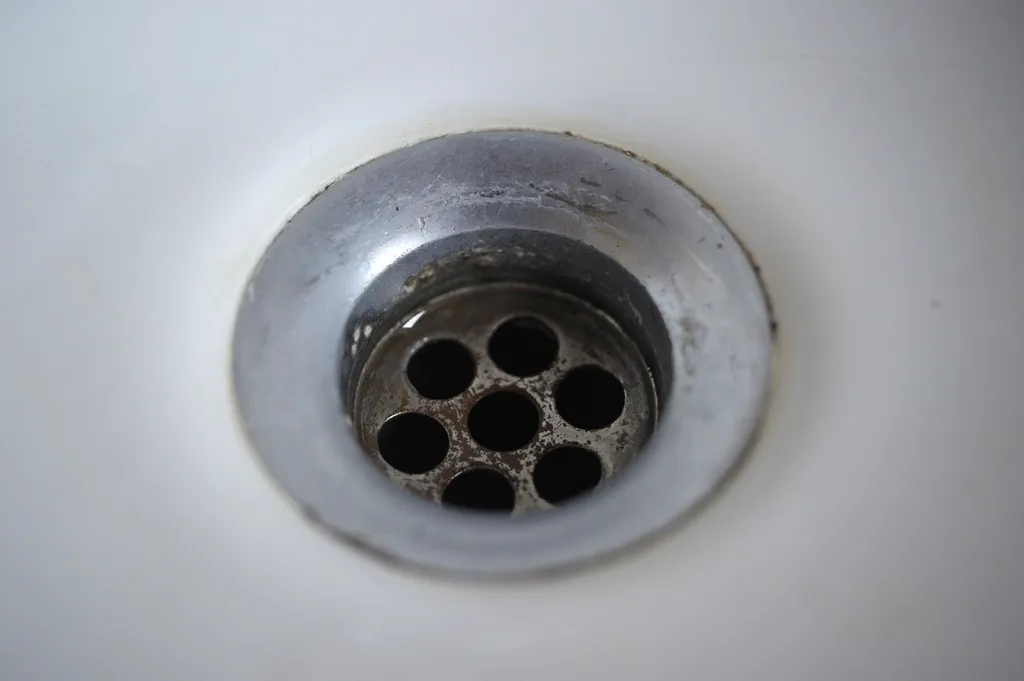
Pour slowly and carefully, aiming straight into the drain opening. Don’t pour onto the porcelain basin, because the sudden heat can crack it.
Step 4: Wait a few minutes
Let the hot water work on any grease or soap film in the trap.
Step 5: Pour in the rest
Follow up with the remaining water to flush everything through.
Important: Never pour boiling water into a toilet. The porcelain can crack, and the wax seal can be damaged.
Optional: baking soda and vinegar boost
Once a month, pour half a cup of baking soda into the drain, followed by a cup of white vinegar. Cover the drain for 15 minutes, then flush with hot water. It helps freshen drains and loosen light buildup.
Daily habits that keep drains clear
- Keep grease out of the sink. Pour cooking fat into a can or jar, let it harden and toss it in the trash. Wipe greasy pans with a paper towel before washing.
- Use drain screens. Inexpensive strainers in kitchen sinks and hair catchers in showers and tubs stop most clogs before they start.
- Scrape plates into the trash or compost, even if you have a garbage disposal.
- Skip the “flushable” wipes. Most don’t break down and are a common cause of toilet and sewer line clogs.
- Clean pop-up stoppers. Pull bathroom sink stoppers out every month or two and clear the hair and gunk.
What to do if a drain is already slow
- Remove and clean the stopper or strainer.
- Try a plunger. Use a cup plunger for sinks and tubs. Block the overflow hole with a wet rag for better suction.
- Use a plastic drain cleaning tool or a small hand-crank drain snake to pull out hair.
- Clean the P-trap under the sink. Place a bucket beneath it, unscrew the slip nuts, empty and rinse it, then reassemble.
Avoid harsh chemical drain cleaners. They can damage older pipes and are dangerous if they splash.
Don’t forget the floor drains
Many Philadelphia basements have a floor drain near the water heater or laundry area. These drains have a trap that holds water to block sewer gas. If the drain is rarely used, that water evaporates and you may notice a sewer smell. Pour a bucket of water into floor drains every month or two to keep the trap filled, and check that the grate is clear of lint and debris. The same goes for drains in guest bathrooms that rarely get used.
Seasonal tips for Philadelphia and South Jersey
- Holidays: Thanksgiving and holiday cooking send more grease down kitchen drains than any other time of year. Be extra careful with fats and oils.
- Winter: Grease hardens faster in cold pipes, especially in drain lines running through chilly basements or exterior walls.
- Spring and fall: Older homes with clay or cast iron sewer lines can have tree roots growing into them. If several drains slow down at once, the problem may be in the main line.
Safety notes
- Handle boiling water carefully. Use a kettle with a spout for better control, and keep children and pets out of the area.
- Wear gloves and eye protection when cleaning traps or using a snake.
- Never mix drain products, and never plunge after using a chemical cleaner.
When to call a pro
The weekly steep is about prevention. Some signs mean there’s a bigger problem. Call a pro if:
- Several drains are slow or backing up at the same time
- You hear gurgling from drains or toilets
- There’s a sewage smell in the basement or around floor drains
- Clogs keep coming back, even after cleaning the trap
- Pipes under the sink are leaking, corroded or loose
We handle drain and pipe repairs, and we can update the plumbing under your sinks during a kitchen or bathroom project. Serving homeowners in Philadelphia and South Jersey. Request a quote today.