A new roof is one of the biggest investments you’ll make in your home, so it’s natural to want to know the price up front. But roof replacement cost depends on your specific roof: two houses on the same street in Cherry Hill can get very different quotes.
Here are the factors that really drive the price, so you can understand your quote and compare roofers fairly.
1. Roof size
Roofers measure in “squares” (one square covers 100 square feet of roof). More squares mean more materials and labor. Remember that roof area is larger than your home’s floor area, because of the slope and overhangs.
2. Pitch and complexity
- Steep roofs need extra safety equipment and take longer to work on.
- Complex roofs with dormers, valleys, skylights, chimneys and multiple levels need more cutting, flashing and labor than a simple gable roof.
- Height matters too: a three-story home is harder to work on than a ranch.
3. Roofing material
Material is a big part of the price and the lifespan:
- 3-tab asphalt shingles: basic and economical
- Architectural (dimensional) shingles: thicker, better looking and longer lasting, and the most common choice today
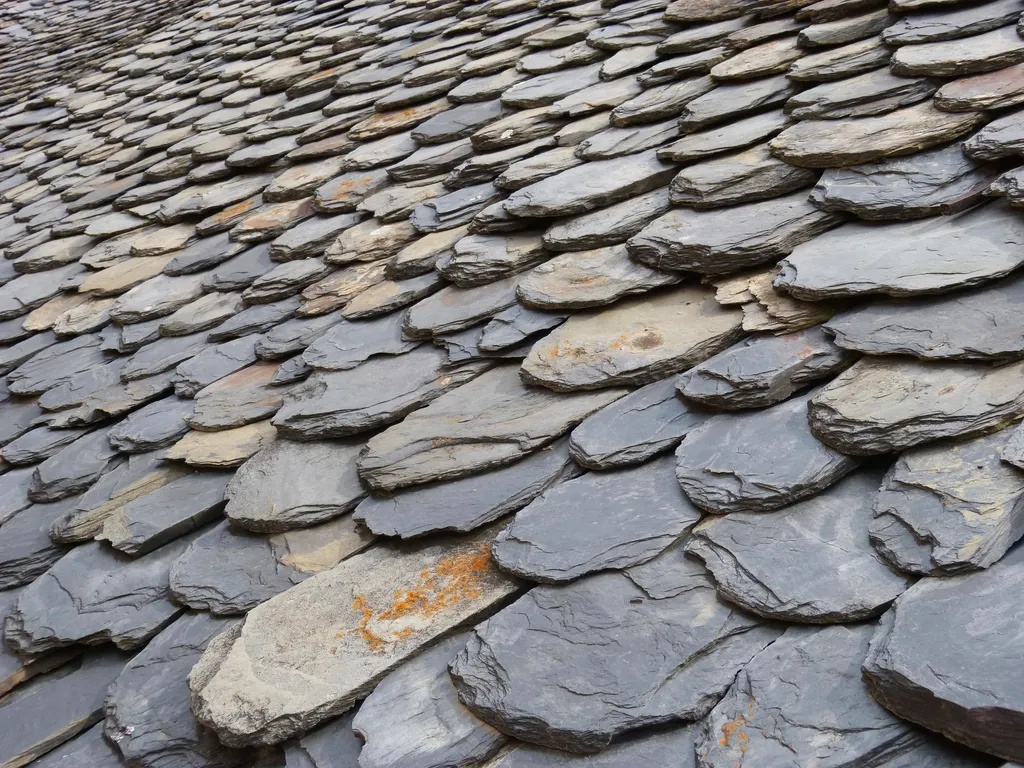
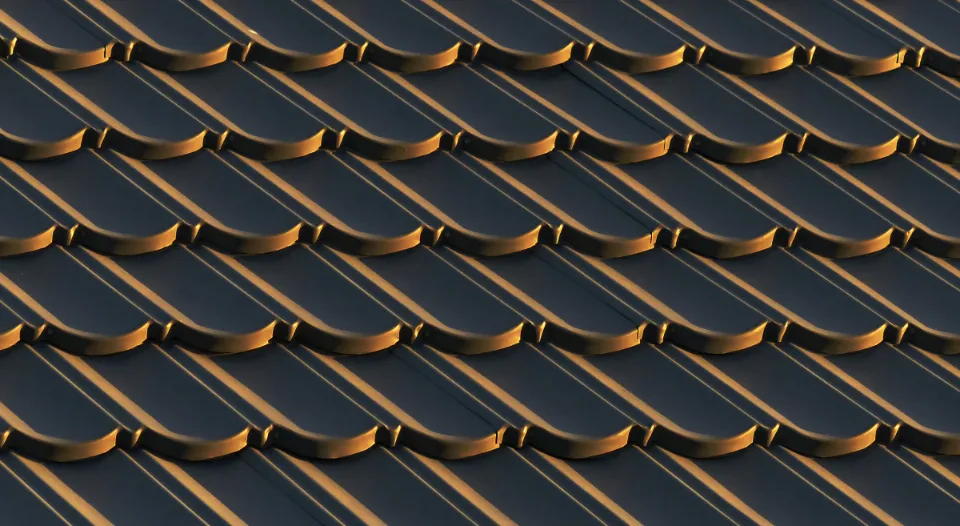
- Metal, slate and cedar: premium materials with higher costs and specialized installation
- Flat or low-slope roofing (common on rowhomes and additions): EPDM rubber, TPO or modified bitumen
4. Tear-off and old layers
Removing the old roof costs labor and disposal fees. If your house already has two layers of shingles, there’s more to tear off and haul away. A full tear-off also lets the roofer inspect the decking underneath, which is the best way to get a long-lasting roof.
5. Decking repairs
The decking is the plywood or boards your shingles are nailed to. If it’s soft, rotted or delaminated, damaged sections have to be replaced. You often can’t know how much until the old roof comes off, so a good quote explains how decking repairs are priced (for example, per sheet).
6. Underlayment, flashing and ventilation
A roof is more than shingles. A complete job may include:
- Synthetic underlayment over the whole deck
- Ice and water shield along eaves and valleys, which is important with South Jersey’s freeze-thaw winters
- New flashing around chimneys, walls, skylights and vents
- Drip edge along the roof edges
- Ridge and soffit vents so the attic can breathe
These items protect against leaks, so make sure your quote says which ones are included.
7. Gutters and extras
Replacing gutters, adding gutter guards, or repairing fascia and soffits at the same time can be convenient, but they add to the total. Ask for them as separate line items.
8. Permits
Roof replacement in New Jersey generally requires a permit from your local construction office, followed by inspections. Your roofer should take care of this.
Repair or replace?
Not every roof problem means a new roof. A few missing shingles or a leak around a vent can often be repaired. Replacement makes more sense when the roof is near the end of its life, has widespread damage, or keeps leaking in different spots. See our guide to the signs your roof needs replacing.
How to compare roofing quotes
- Get at least two or three written quotes.
- Check that each one covers the same scope: tear-off, underlayment, flashing, ventilation and cleanup.
- Ask how decking repairs are priced.
- Ask about the manufacturer’s warranty and the workmanship warranty.
- Make sure the contractor is licensed and insured.
Get an exact price for your roof
We provide roof replacement and roof repair across South Jersey, Camden and Philadelphia. Request a free quote and we’ll inspect your roof and give you a clear, itemized price.