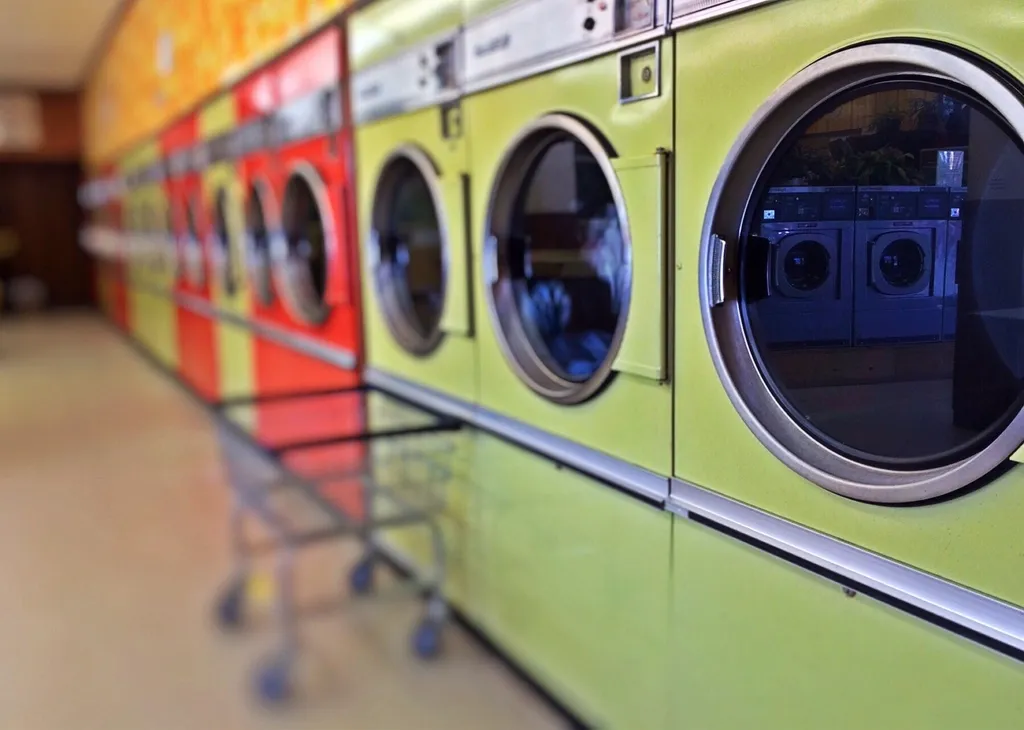
Taking care of your washing machine helps it last longer, run more efficiently and keep your clothes actually smelling clean. Knowing how to clean a washing machine and handle a few simple maintenance tasks also protects your home, because a burst washer hose is one of the most common causes of water damage we see.
Here’s a practical routine you can follow, whether you have a top-loader in a Mayfair basement or a front-loader in a Collingswood laundry closet.
Why washer maintenance matters
Detergent residue, fabric softener, lint and minerals from hard water all build up inside the machine over time. That buildup can cause musty odors, gray or stiff laundry, and mold around seals. Meanwhile, the hoses behind the washer sit under constant water pressure and slowly wear out.
A few minutes a month prevents most of these problems.
How to clean a washing machine, step by step
1. Run a cleaning cycle
Once a month or so, run the machine empty on its hottest setting.
- If your washer has a “Clean Washer” or “Tub Clean” cycle, use it with a commercial washer cleaner tablet or the product your manufacturer recommends.
- If you prefer vinegar, add one to one and a half cups to an empty hot cycle every couple of months, and make sure the machine runs through the full rinse. Don’t let vinegar sit on porcelain enamel tubs, since the acid can etch the surface and lead to rust and rough spots that snag clothes. Check your owner’s manual, because some brands don’t recommend vinegar at all.
- Never mix bleach and vinegar in the same cycle. Together they create toxic fumes.
2. Clean the dispensers
Pull out the detergent, bleach and softener drawers if they’re removable. Soak them in warm, soapy water, scrub with an old toothbrush, rinse and let them dry before reinstalling. Wipe out the drawer housing, where gunk and mold love to hide.
3. Wipe the door gasket (front-loaders)
The rubber seal around a front-loader’s door traps water, lint and hair. Pull back the folds and wipe them with a damp cloth and mild cleaner. Check for small items like socks or coins. If you see black mold spots, a diluted bleach solution (follow the label) usually clears them up.
4. Clean the drain pump filter
Many front-loaders have a small access panel near the bottom front. Behind it is a filter that catches lint, coins and hair. Put down towels and a shallow pan, because water will come out. Unscrew the filter slowly, clean it, and screw it back in tightly. Check your manual for the exact steps.
5. Wipe the outside and the top
Protect the top of your washer by wiping up spills of detergent, bleach and stain removers right away. Ammonia, chlorine bleach, abrasives and solvents can damage some finishes and plastic parts. It’s best to pretreat stains at the sink, following label directions.
6. Let it breathe
After heavily soiled or linty loads, wipe out any residue with a damp cloth. Leave the lid or door open between washes so the drum can air dry. This one habit prevents most musty smells.
Check the hoses and connections
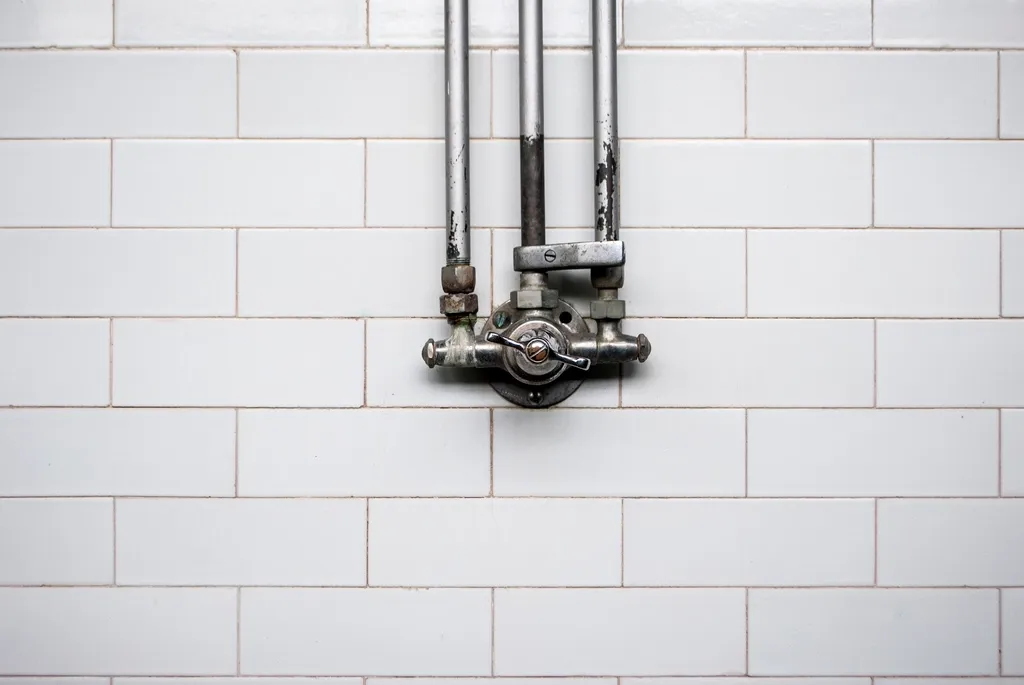
Behind every washer are two supply hoses, one for hot water and one for cold. They deserve a look a couple of times a year.
- Pull the washer out carefully so you can see the hoses and valves.
- Look for bulges, cracks, kinks or rust at the fittings. A bulge means the hose is weakening and could burst.
- Make sure hoses aren’t bent or kinked when you push the machine back, and leave a few inches of space behind it.
- Replace rubber hoses about every five years, or sooner if they look worn. Braided stainless steel hoses are a smart upgrade.
- Turn off the supply valves if you’ll be away for more than a day or two. Water pressure puts constant strain on hoses, and shutting the valves between wash days helps them last longer.
Check the drain hose too
The drain hose should be secured in the standpipe or laundry sink so it can’t pop out during the spin cycle. Make sure it isn’t crushed behind the machine.
Keep it level
A washer that rocks or “walks” during the spin cycle wears out faster and can damage hoses. Set a level on top, and adjust the front feet until it sits flat and steady. Tighten the lock nuts once it’s level.
Seasonal tips for our climate
- Winter: If your washer is in an unheated garage, porch or crawlspace, supply lines can freeze during Philadelphia and South Jersey cold snaps. Keep the space above freezing, insulate exposed pipes, and consider shutting off and draining lines if you’ll be away.
- Summer: Humid basements make front-loader odors worse. A dehumidifier and leaving the door open help a lot.
Safety notes
- Unplug the washer before working behind it or removing panels.
- Use detergent made for your machine type (HE detergent for high-efficiency washers). Too much soap leaves residue and strains the machine.
- Keep cleaners and detergent pods out of reach of children and pets.
When to call a pro
Some washer problems are a sign of plumbing or installation trouble rather than a dirty machine. Call a pro if you notice:
- Water on the floor around or under the washer
- Supply valves that drip, stick or won’t shut off fully
- A drain that backs up or overflows the standpipe
- A new washer that needs proper hookup, leveling or a drain pan installed
We can replace worn hoses and shut-off valves, fix drain problems and handle plumbing repairs around your laundry area. We also offer appliance installation and ongoing home maintenance. Request a quote or contact us to schedule a visit.