You work hard to keep your house looking good, so why settle for a “permanent” grease or oil spot on the driveway or front walk? Most of those stains aren’t permanent at all. With the right approach, you can remove oil stains from a driveway using supplies you probably already have.
The key is to match the method to the surface and to how old the stain is.
Know your surface first
Different paving materials react differently to cleaners:
- Concrete: Porous, which is why oil soaks in. It tolerates most degreasers and solvents well.
- Asphalt (blacktop): Made with petroleum, so solvents can soften and damage it. Use gentle methods only.
- Pavers and brick: Durable, but the joint sand and sealers can be affected by harsh chemicals.
- Stamped or sealed concrete: Solvents and acids can dull or strip the sealer.
If you’re not sure what surface you’re dealing with, play it safe. Hardware and paint stores carry cleaners made for concrete, blacktop and patio surfaces, and the label will tell you whether it’s safe for yours. Always test in an out-of-the-way corner first.
How to remove oil stains from a driveway, step by step
For a fresh spill
Speed is everything. The less time oil has to soak in, the easier it comes out.
- Blot, don’t wipe. Soak up as much liquid as you can with paper towels or rags. Wiping spreads it.
- Cover with an absorbent. Pour a thick layer of clay cat litter, sand, baking soda or even cornmeal over the spot. You want something dry and absorbent.
- Grind it in. Step on the litter and twist with your shoe to work it into the surface.
- Wait. Leave it for several hours, or overnight.
- Sweep it up and dispose of it in the trash.
- Wash the area with warm water, a squirt of dish soap and a stiff brush, then rinse.
For an older stain on concrete
Set-in stains need help loosening up before an absorbent can pull them out.
- Apply a solvent. On bare concrete, pour mineral spirits or paint thinner over the stain so it’s thoroughly covered.
- Cover with absorbent. Spread cat litter, sand or baking soda over the wet area right away.
- Let it sit. Leave it for about 12 hours. The solvent dissolves the oil, and the absorbent draws it up.
- Sweep it up. The oil spot should be “gone with the litter,” or at least much lighter.
- Clean up the solvent. Scrub the area with warm water, regular detergent and a mop or stiff brush, then rinse well.
- Repeat if needed. Deep stains may take two or three rounds.
On dry, unsealed cement, the same method works, but let the absorbent sit for a couple of days before sweeping.
For asphalt driveways
Skip the solvents. Instead:
- Cover the stain with cat litter or baking soda to absorb any surface oil, and sweep it up after a few hours.
- Scrub with a solution of dish soap and warm water, or a cleaner labeled safe for asphalt.
- Rinse thoroughly with a hose.
For stubborn stains on concrete, a commercial concrete degreaser or a poultice method using TSP can help. See our follow-up guide, Foil That Dripping Oil, for deep-set stains.
Safety notes
- Solvents are flammable. Work outdoors, keep away from cigarettes, grills and pilot lights, and don’t leave solvent-soaked rags in a pile. Let them dry flat outdoors before disposal.
- Protect yourself. Wear chemical-resistant gloves and safety glasses, and keep kids and pets away until the area is clean.
- Protect the water supply. Don’t rinse oil or solvents into storm drains, which flow to local creeks and rivers. Soak them up and put the waste in the trash, or check your township’s household hazardous waste guidance.
Prevent stains from coming back
- Fix the leak. An oil spot usually means a car is leaking. Have it checked.
- Use a drip pan or mat under cars that leak, especially in the garage.
- Seal your concrete. A penetrating concrete sealer makes it much harder for oil to soak in, and makes cleanup faster.
- Seal asphalt every few years to protect it from oil, water and sun.
- Keep absorbent on hand. A small bag of cat litter in the garage lets you deal with drips and spills from mowers, snow blowers and cars before they soak in.
- Store fuel and oil carefully. Keep containers on a tray or shelf, not directly on the concrete.
Seasonal tips for Philadelphia and South Jersey
Clean stains on warm, dry days. Absorbents work better when the surface is dry, and solvents and degreasers are more effective above about 50°F. Late spring through early fall is ideal.
Winter adds its own wear. Freeze-thaw cycles and de-icing salt are hard on concrete, and oil-soaked spots can weaken the surface further. Clean and seal in the fall so your driveway goes into winter protected. Use a de-icer labeled safe for concrete, especially on newer slabs.
When to call a pro
Some driveway and sidewalk problems go deeper than a stain. Call a pro if you see:
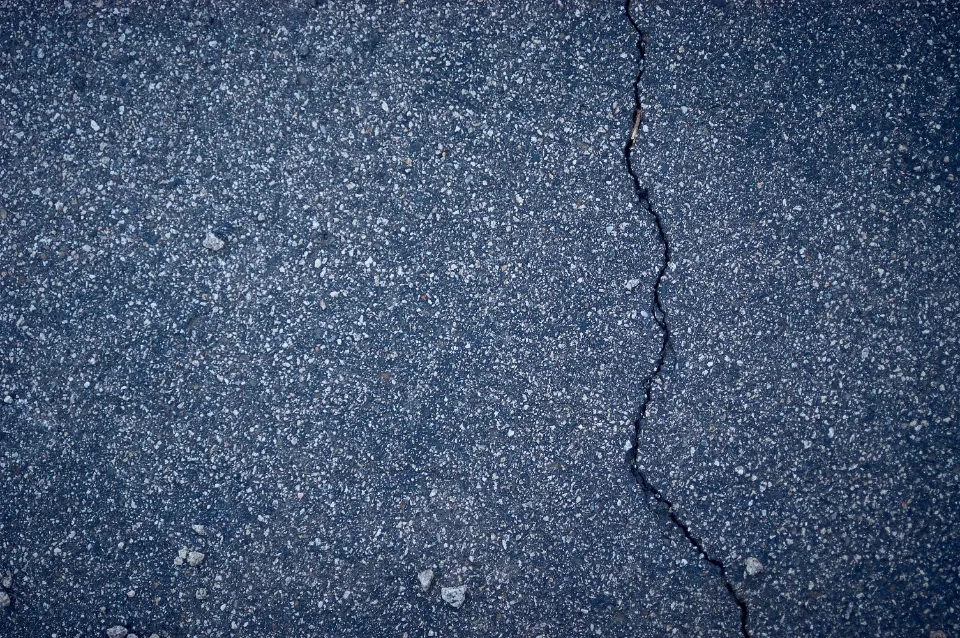
- Cracks, heaving or sunken sections, which are trip hazards and let water in
- Crumbling or flaking surfaces (spalling) from salt and freeze-thaw damage
- Loose, uneven or sinking pavers
- Stains on sealed or decorative concrete you’re afraid to damage
Our team handles concrete and masonry repairs, patio and walkway work and other exterior projects throughout Philadelphia and South Jersey. Request a quote and let’s get your driveway looking its best.